



Reading time: 3 minutes
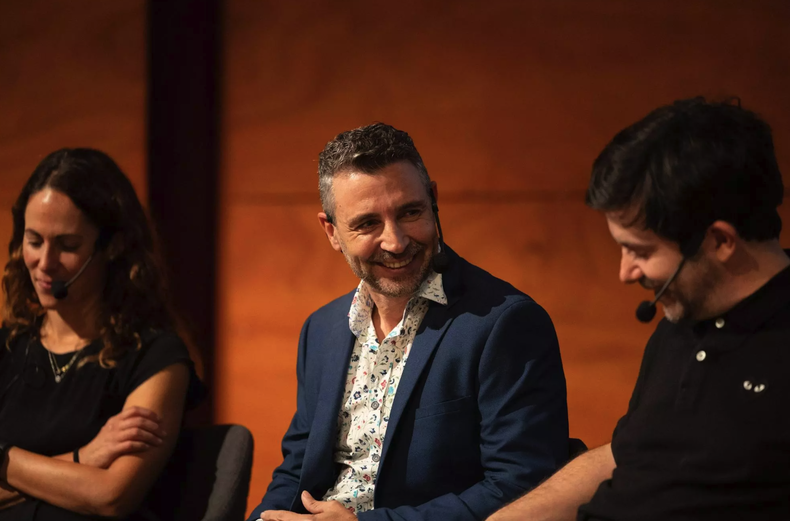
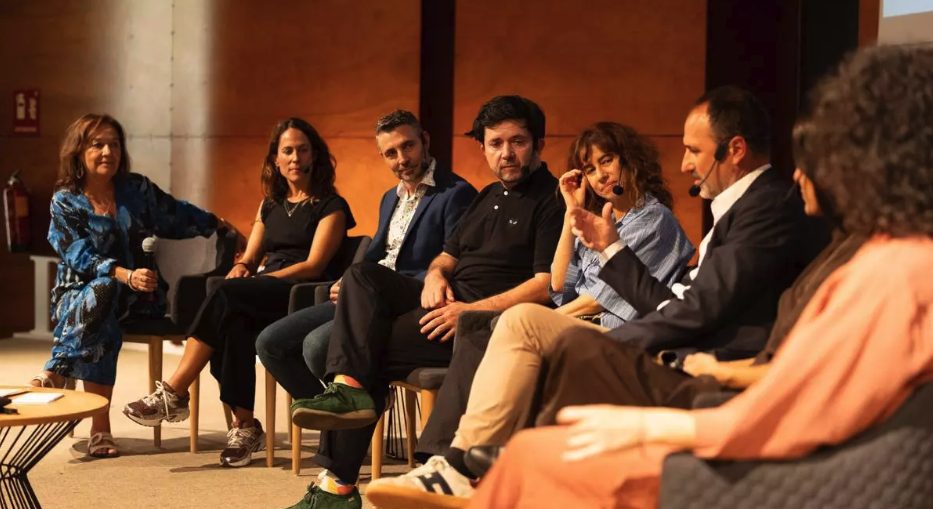
On Thursday, October 22, our CEO, José María Ramón Cardona, took part in the round table that closed the talks at Ibiza20, held at the Club Diario de Ibiza. He shared the table with Anaïs P. Figueras, Director of Communications at Google Spain and Portugal; Soraya C. Hidalgo, General Manager of Canva; Óscar Ordóñez, Marketing & Experiences Director at CaixaBank; Gemma Gutiérrez, Managing Director of Marketing Solutions Europe at LLYC; and Natalia Flores and Borja Prieto, founders and CEOs of Está Pasando. The topic was artificial intelligence and creativity, and the opening question was who inspires whom. José María steered the conversation toward somewhat more uncomfortable ground: what are we doing with the time AI saves us?
A tool that everyone is going to have
“Everyone is going to have this, which means it won’t be any kind of advantage,” José María explained. In his view, AI will end up being a commodity within reach of any company, and the change it brings is, above all, cultural. Something very human plays a role in that change, comfort, and that is where the risk appears.
By delegating tasks to AI, we should have more time to supervise what it produces. What José María sees around him points the other way. As an example, he cited three-paragraph emails copied straight from ChatGPT, which he now finds worse than the long emails of the past, when at least you could tell someone had actually written them. Many social media ads, posts and reels are the same story, because they come from the same copy and paste.
He also acknowledged how much these tools have improved things. Many people who knew nothing about alignment or color now produce decent materials they could not have made before, thanks to tools like Canva. He said as much with Soraya, General Manager of Canva, sitting at the table. AI helps us do higher-quality work, and the problem begins when we stop looking closely at what it gives back.
A divide with no middle ground
For José María, there are now those who use AI and those who don’t, with nothing in between. Those who use it gain a mental plasticity that shows in what they are able to create, and those who also know their trade well go even further. That is why he sees a very favorable moment for companies to gain efficiency, as long as they use AI for more than translating texts. It is in that productivity that he places the challenge of the coming years. It was a debate that also touched on tourism.
Starting from a Tenerife campaign presented during the event, José María argued that a destination known for sun and beach, like Ibiza, should not settle for that brand. AI could be used as support to find the moments and micro-niches that nobody is covering today.
He also raised two questions that worry every hotelier: advertising inside AI assistants and the future of agentic bookings. On advertising, Anaïs, Director of Communications at Google Spain, explained that Gemini is currently sustained by its free and paid versions, and that she is not aware of any plans to include ads within the assistant, although ad formats do exist in search and in features such as AI Overviews. The shared conclusion was that booking through agents is still at an early stage in Europe and that, for now, users want to keep control over what they buy.
Where to start
For a hotel, the first step can be as simple as picking a process that is already done with AI, be it replies to guest emails or the copy for a campaign, and reviewing it again over the coming weeks with the same care as before it was automated. That quickly shows where the tool adds value and where copy and paste has crept in.
Because reviewing what AI does is still our job.